
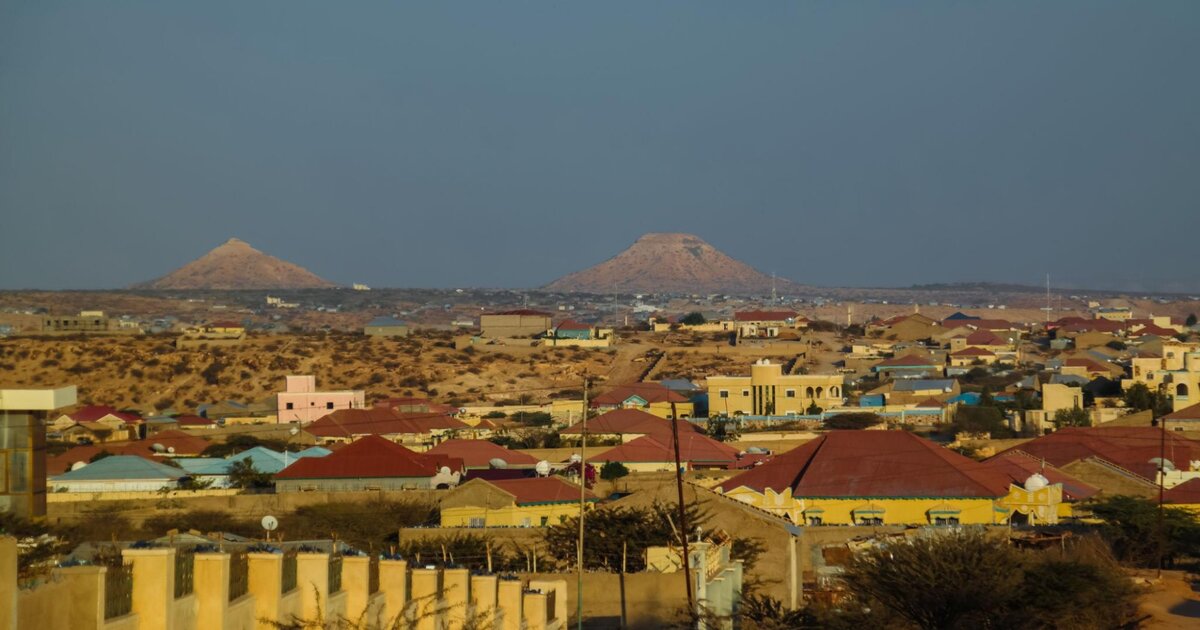
By Eng Mohammed A. Nugal, CEO – Sidra Homes
Eleven years of doing business in Somaliland teaches you to look past the noise. Elections come and go. Sentiment shifts. Periods of quiet get misread as stagnation. But underneath all of that, the fundamentals of this market — population growth, urban expansion, diaspora engagement, and a scarcity of well-documented land — don’t really change. That’s what makes the Somaliland property market genuinely interesting, and why I think it’s worth taking a proper look at where we’ve been and what’s coming.
What Actually Happened in 2025
The election year played out more or less as you’d expect. Capital gets absorbed into political activity, institutions get distracted, and both buyers and sellers adopt a more cautious stance. Transaction volumes softened at certain points in the year, particularly among first-time buyers, and sentiment across the market became more measured.
That said, the slowdown was not uniform. Well-located land with clear title documentation continued to find buyers throughout the year. This is worth noting because it confirms something I’ve observed repeatedly in this market: genuine demand doesn’t evaporate during uncertainty — it becomes more selective. The weaker deals stall. The better ones still transact.
The post-election period brought a different kind of quiet. The new government spent much of the second half of 2025 in external-facing discussions — engagements with partners in the UAE, Qatar, and Western capitals aimed at securing financial positioning and longer-term economic backing. From the outside, this looked like inactivity. In practice, it was the groundwork being laid for the next phase. That distinction matters for anyone trying to read the market.
The Shift in International Attention
Toward the end of 2025, something changed. In my eleven years working here, I have not seen a moment quite like it. Israel’s formal recognition of Somaliland at the close of the year triggered a level of international interest that was immediate, serious, and commercially focused in a way that previous waves of attention simply weren’t.
The enquiries that followed weren’t speculative. They came from individuals and institutions who had done a degree of homework — people asking structured questions about land ownership, pricing, legal frameworks, and infrastructure timelines. That’s a materially different conversation from what I was having even twelve months earlier. Geographically, Somaliland occupies a strategic position on the Bab-el-Mandeb Strait — a fact that serious investors are now beginning to factor into their thinking, alongside the longer-term development of Berbera as a logistics hub.
It would be dishonest to overstate where this leads in the short term. International recognition from a single country doesn’t transform a market overnight, and the practical steps — banking access, institutional infrastructure, treaty arrangements — take time. But perception shifts matter in real estate, and this one is real.
Land as the Entry Point
For most investors engaging with Somaliland for the first time — diaspora buyers in particular — land remains the most accessible and straightforward asset class. The entry point is lower than housing, the ownership process is more direct, and the appreciation story over the past decade has been consistent. In well-located areas, annual growth rates in the range of 15–20% have not been unusual. That figure is not a marketing claim; it’s what a decade of observed pricing data shows.
What drives that growth is not speculation. It’s the basic arithmetic of a growing city. Hargeisa is expanding. The population is increasing. Demand for residential land continues to outpace organised supply. And in a market where legal clarity around ownership is variable, land that comes with clean documentation and a transparent pricing structure commands a genuine premium.
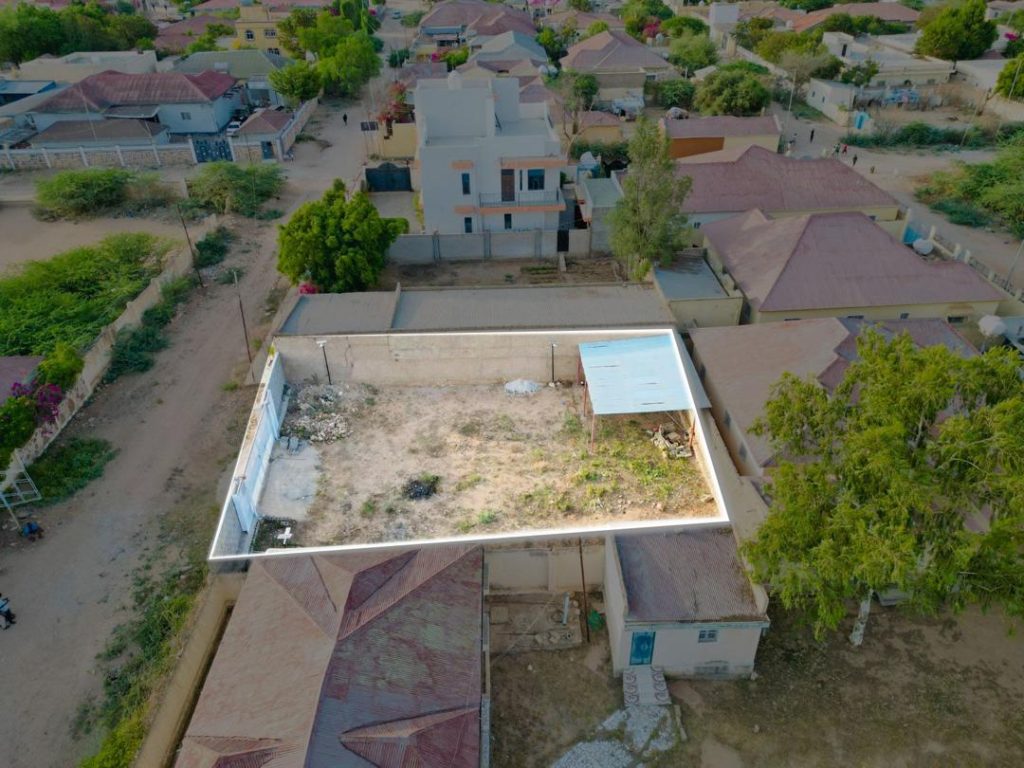
Over the next three to five years, further growth in land and housing prices is expected in Hargeisa and Berbera, driven by increased interest from the local population and the diaspora. The areas that stand to benefit most are those where the fundamentals are already in place — road access, proximity to established development, and clear title. Emerging zones on the outskirts of Hargeisa, where pricing still reflects the earlier stages of the urban cycle, are attracting attention for exactly that reason. Our land for sale in Masalaha is a prime example.
What 2026 Looks Like From Here
Practically speaking, the first quarter of 2026 will be quieter. The post-Eid period and Ramadan traditionally slow things down, and that seasonal pattern is unlikely to change. From March onwards, the market typically picks up — and this year, there are reasons to think that pickup could carry more momentum than usual.
Renewed investor confidence following the political transition, growing external interest, and increasing attention on Somaliland’s natural resources — particularly in the mining sector — are all feeding into a broader shift in how this market is perceived. None of this translates into overnight price movements. But for buyers taking a medium to long-term view, the direction of travel is becoming clearer.
A Note on Structure and Transparency
One of the more meaningful developments in recent years — and one that tends to get less attention than it deserves — is the gradual improvement in how land is brought to market. Clearer pricing, phased release structures, and payment arrangements that make ownership accessible to a wider buyer base have all made a difference. At Sidra Homes, we’ve seen directly how demand responds when buyers understand exactly what they’re purchasing, what they’re paying, and what the process looks like from start to finish. Confidence, in this market, is very often a function of clarity.
Final Thought
Somaliland real estate is not a market for those looking for quick returns or guaranteed liquidity. It never has been. What it offers is something different: early-stage access to a market with long-term structural growth drivers, in a jurisdiction that — relative to much of the region — has maintained meaningful political stability and a functioning legal framework for land ownership.
The investors who tend to do well here are the ones who understand that, and who come in with patience, discipline, and a clear sense of what they’re buying and why.
2026 won’t be a year without challenges. But the underlying signals — political transition, growing international visibility, sustained diaspora engagement, and increasing organisation on the supply side — point toward a market that is gradually, steadily maturing. That’s worth paying attention to.
Mohammed A. Nugal is the CEO of Sidra Homes, a Somaliland-based property developer specialising in structured land and residential offerings for diaspora and local investors. To learn more about current opportunities, our land brokerage page or get in touch with the team.